
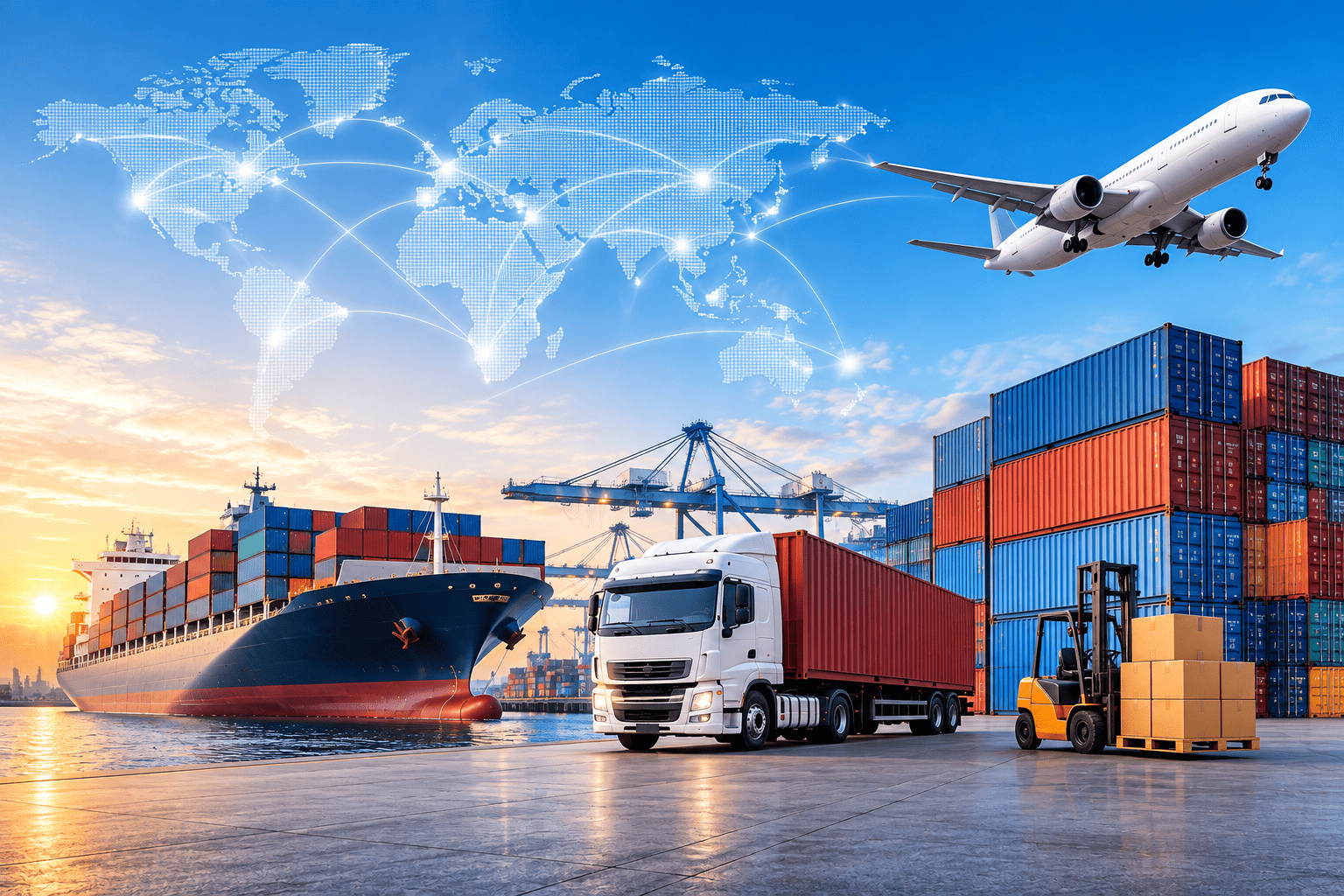
From finding the right product and business partner to documentation, customs, shipping, and delivery, every step plays an important role in completing a successful international transaction.
Understanding the basic import and export process can help businesses plan effectively and avoid common challenges.
Step 1: Identify the Product and Market
The first step in international trade is understanding what product you want to import or export and identifying the right market.
Businesses should consider:
- Product demand
- Target customers
- Market competition
- Pricing
- Product specifications
- Import regulations
- Export requirements
Understanding the target market before starting a transaction can help businesses make better decisions.
Step 2: Find Reliable Business Partners
Choosing the right supplier, buyer, manufacturer, or trading partner is one of the most important decisions in international trade.
Businesses should evaluate potential partners based on their experience, product quality, communication, reliability, and ability to meet requirements.
A strong business relationship can make the entire trading process smoother.
Step 3: Confirm Product Quality and Specifications
Before placing or accepting an international order, product specifications should be clearly defined.
This may include:
- Product type
- Quantity
- Size
- Material
- Quality standards
- Packaging requirements
- Labelling requirements
Clear specifications help reduce misunderstandings and ensure that both parties have the same expectations.
Step 4: Prepare Trade Documentation
Documentation is an important part of international shipping.
Depending on the transaction, businesses may require documents such as commercial invoices, packing lists, shipping documents, certificates, and other regulatory paperwork.
Accurate documentation helps facilitate customs clearance and reduces the possibility of unnecessary delays.
Step 5: Packaging and Shipment Preparation
Products must be properly prepared for international transportation.
Packaging should protect the products from damage during handling, loading, unloading, and transportation.
Businesses should also ensure that packaging and labelling meet the applicable requirements of the destination market.
Step 6: Customs and Compliance
International shipments may need to go through customs procedures in the exporting and importing countries.
Businesses need to understand applicable duties, taxes, product restrictions, documentation requirements, and other regulations.
Proper preparation can help reduce delays and unexpected issues during customs clearance.
Step 7: International Transportation
Once the shipment is ready, the appropriate transportation method must be selected.
Depending on the product, destination, urgency, and cost, businesses may use:
- Sea freight
- Air freight
- Road transportation
- Multimodal transportation
The right logistics solution depends on the specific requirements of each shipment.
Step 8: Delivery and Final Coordination
After customs clearance and transportation, the goods are delivered to the agreed destination.
Effective communication between the exporter, importer, logistics partners, and other parties helps ensure smooth delivery.
Why Choosing the Right Import & Export Partner Matters
International trade involves multiple processes and stakeholders. Managing everything independently can become challenging, particularly for businesses that are new to global markets.
An experienced trade partner can help businesses coordinate sourcing, documentation, logistics, communication, and other important aspects of the transaction.
At BABA EXPRESS ECOM PVT LTD, our focus is on creating dependable international trade relationships and helping businesses connect with global opportunities.
Conclusion
Importing and exporting successfully requires proper planning, reliable partners, accurate documentation, quality control, and efficient logistics.
When each stage is managed carefully, businesses can reduce risks and build stronger international operations.
Whether you are entering a new market or expanding an existing business, understanding the import and export process is the first step toward successful global trade.